
Discover the Different Types of Salt used in cooking, from kosher to sea salt to Himalayan pink. Learn how each type of salt affects flavour, texture, and when to use them.
Salt might be the most underrated ingredient in your kitchen. Sure, we all use it, but not all salt is created equal. There are so many different types of salt, and each one brings something unique to the table (literally). Whether you’re sprinkling finishing flakes or salting pasta water, the kind of salt you use does matter.
From coarse sea salt to fine kosher crystals, every type has its own vibe, flavour, and best use. If you’ve ever wondered why your food tastes better at a restaurant, it might just come down to the salt. In this post, we’ll break down the varieties of salt and help you figure out which one to reach for, and when. Let’s dig in.
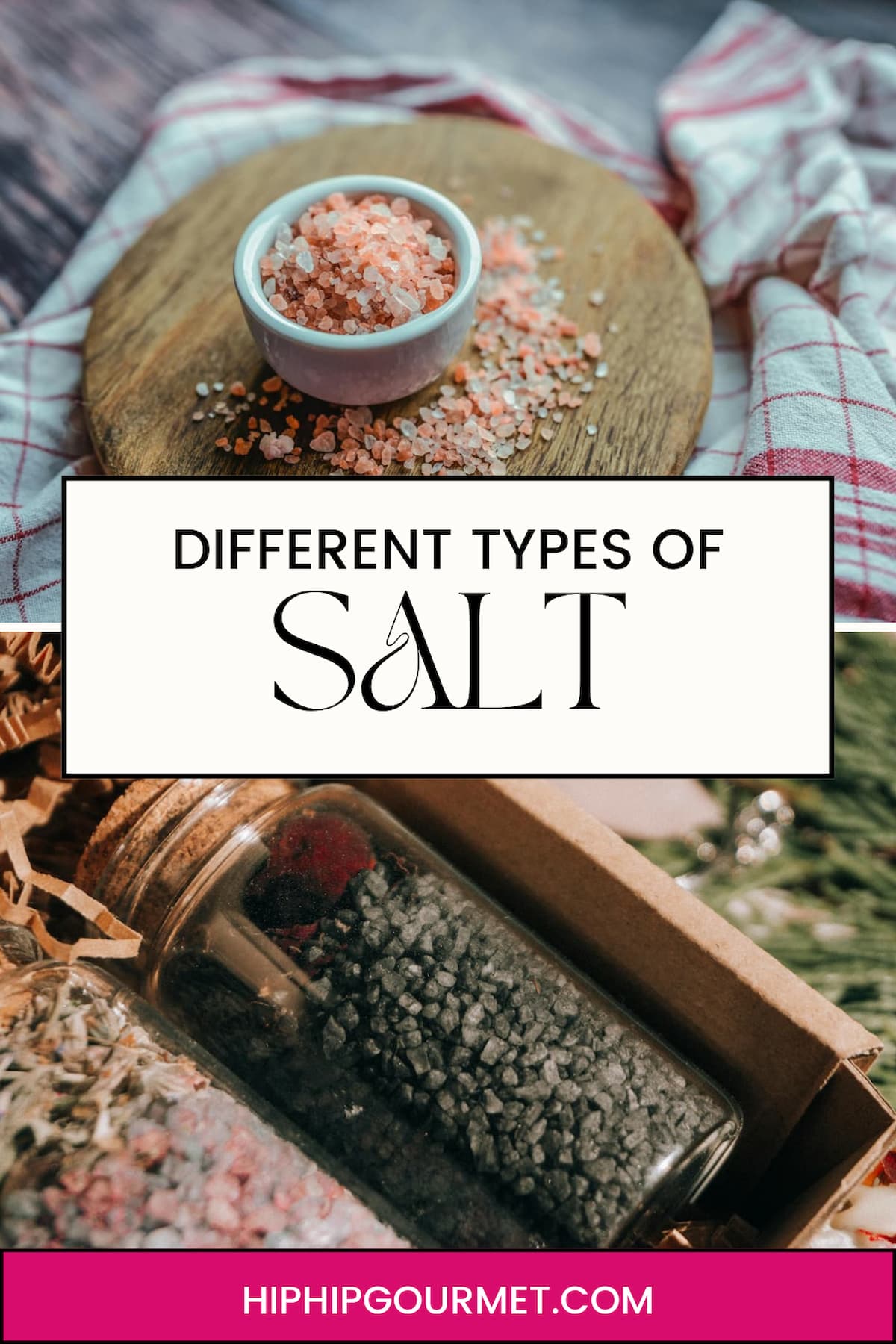
A GUIDE TO THE DIFFERENT TYPES OF SALT AND HOW TO USE THEM
1. KOSHER SALT

Kosher salt is a coarse-grained salt originally used in the koshering process to draw blood out of meat, but it’s become a kitchen staple for everyday cooking.
Why it works: Its larger flakes make it easy to pinch and control, and it dissolves well without overpowering a dish. Unlike table salt, it typically doesn’t contain iodine or anti-caking agents, which means a cleaner, more natural taste.
How to use it: Perfect for seasoning as you cook. Think pasta water, roasted veggies, meats, and soups. It’s also ideal for brining and baking when measured by weight.
Best for: Everyday cooking, brining, and recipes where you want consistent seasoning control.
2. SEA SALT
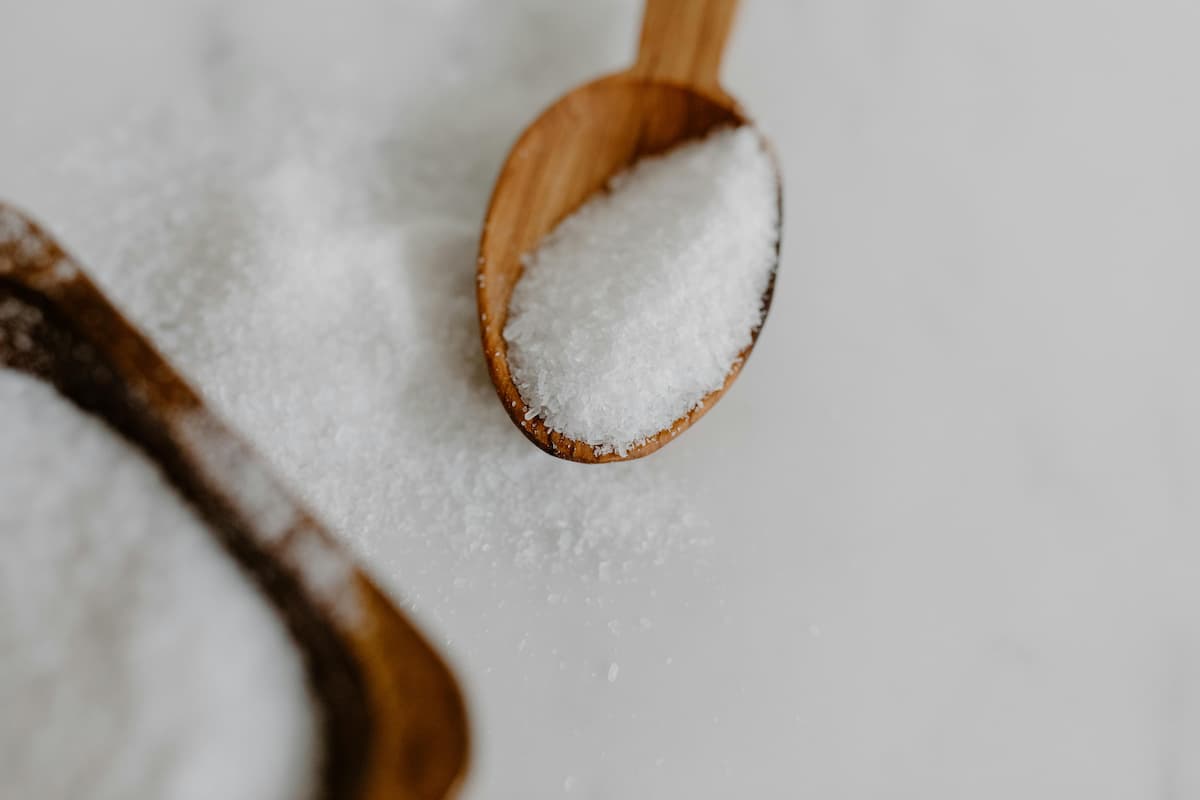
Sea salt is harvested through the evaporation of seawater. It can be fine or coarse, and its flavour can vary slightly depending on its origin.
Why it works: It retains trace minerals from the sea, giving it a slightly more complex flavour than plain table salt. Some people swear they can taste the difference (and they might be right).
How to use it: Use fine sea salt in place of table salt in most recipes. The flakier, coarse versions are great for finishing dishes.
Best for: Baking, seasoning at the table, or as a finishing touch on dishes like salads, roasted meats, or chocolate desserts.
3. TABLE SALT

The classic salt you’ll find in most salt shakers. Fine-grained, processed, and usually iodized.
Why it works: It dissolves quickly and evenly, which makes it a go-to for baking and precise recipes. Iodine was added in the early 20th century to prevent deficiencies. It’s still beneficial but may impart a slightly metallic taste to some palates.
How to use it:
Great for baked goods, quick seasoning at the table, and recipes where salt needs to fully dissolve.
Best for: Baking, boiling water, and everyday table use.
4. FLAKY SEA SALT (I.E. MALDON)
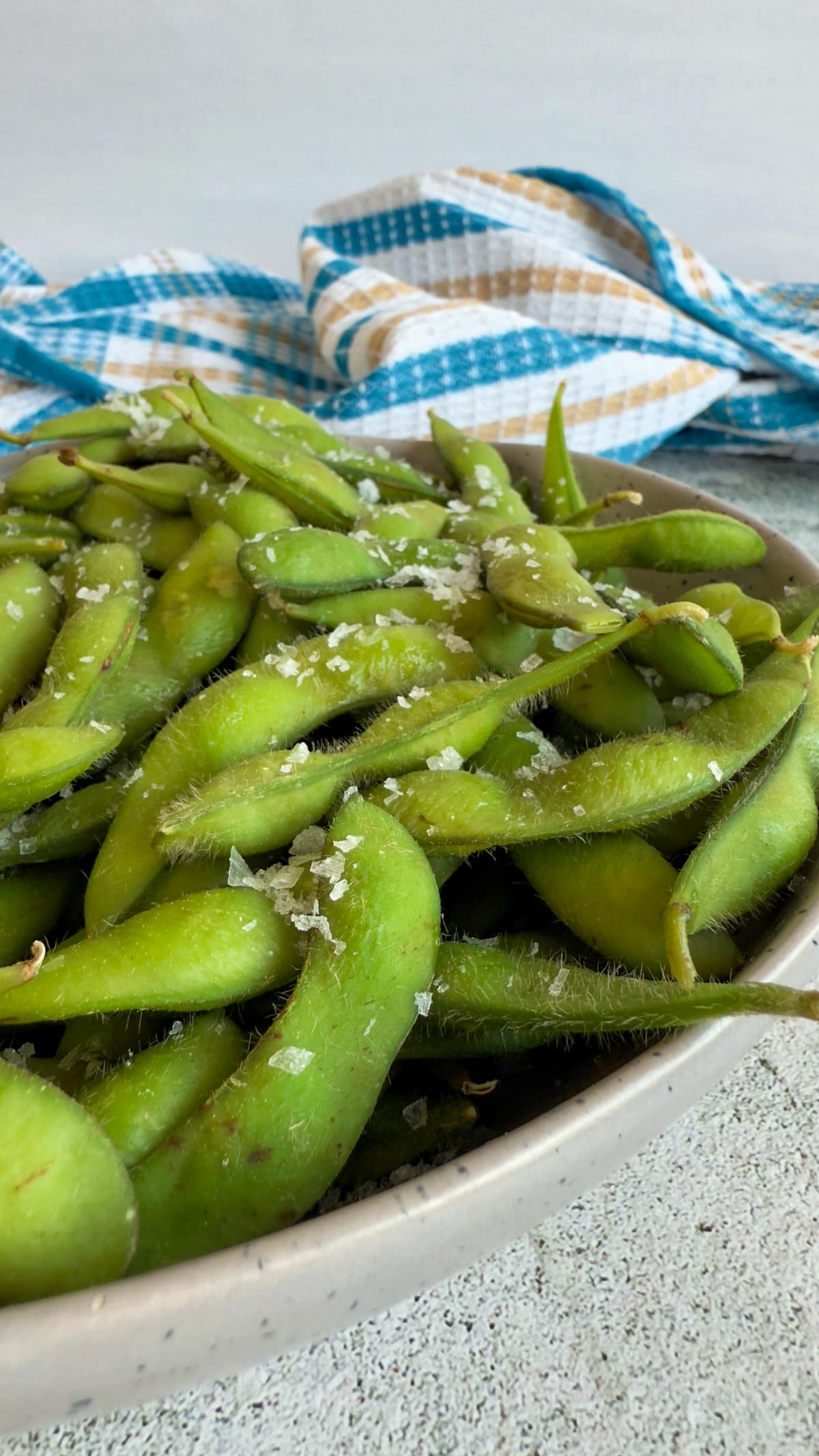
Large, flat crystals that add crunch and a pop of flavour. Think of this one as your dish’s final flourish.
Why it works: Its texture is unbeatable. It’s light, crispy, and dramatic. Because it sits on the surface, each bite delivers a tiny burst of salty goodness.
How to use it: Use it as a finishing salt only. Sprinkle over steaks, cookies, avocado toast, or caramel desserts right before serving.
Best for: Finishing both sweet and savory dishes. Not for cooking — it’ll dissolve and lose its magic.
5. HIMALAYAN PINK SALT

Mined from ancient sea beds in Pakistan, this pink-hued salt is rich in minerals and often sold in chunks or crystals.
Why it works: Its gorgeous colour and subtle mineral flavour make it both a functional and aesthetic choice. Some say it has health benefits, though most of those claims aren’t strongly supported by science.
How to use it: Use in grinders for everyday seasoning or as a decorative salt for serving. Also popular for salt blocks used in grilling or serving food.
Best for: Presentation, everyday grinding, or gifting foodies something pretty and practical.
6. PICKLING SALT

A pure, fine-grained salt with no additives (no iodine, no anti-caking agents) which makes it ideal for preserving food.
Why it works: Additives in other salts can cause cloudiness or off-flavours in pickling brines. This one dissolves completely and keeps your brine clear.
How to use it: Only use for pickling, fermenting, or canning. Measure carefully, as it’s more concentrated than kosher salt due to its fine texture.
Best for: Canning, pickling, fermenting (not everyday cooking).
7. SMOKED SALT

Sea salt that’s been smoked over wood, giving it a bold, smoky flavour and aroma.
Why it works: It’s a simple way to add depth and that grilled taste without actually firing up the BBQ.
How to use it: Use as a finishing salt or to season rubs and marinades. A little goes a long way, so start small.
Best for: Grilled meats, roasted veggies, mac and cheese, or any dish that could use a smoky kick.
8. CELTIC SALT (AKA GREY SALT)

Celtic salt is a type of unrefined sea salt harvested from the coastal waters of France, traditionally hand-raked from clay-lined salt beds. It gets its signature gray color from the natural minerals and moisture it retains.
Why it works: It’s rich in trace minerals and has a slightly briny, oceanic flavour. It also has a higher moisture content than most salts, giving it a soft, almost damp texture.
How to use it: Because of its moisture and coarseness, it’s best used as a finishing salt or dissolved into liquids like soups and sauces. It doesn’t work well in salt grinders or for baking where precise measurement is key.
Best for: Finishing seafood, seasoning fresh veggies, and dishes where you want a mineral-rich flavour boost.
RUNNER UP SALTS TO KNOW ABOUT
1. BLACK SALT (AKA KALA NAMAK): A Himalayan volcanic salt with a distinctive sulfurous aroma, black salt is a staple in South Asian cooking, especially in chutneys and vegan dishes that mimic egg flavours.
2. FLEUR DE SEL: Known as the “flower of salt,” this delicate, flaky sea salt is hand-harvested from salt marshes. It’s prized as a finishing salt for its subtle crunch and mild flavour.
3. HAWAIIAN RED SALT (AKA ALAEA): Mixed with natural red clay, this salt adds a unique earthy flavour and a vibrant colour, often used in traditional Hawaiian dishes and as a finishing salt.
4. FLAVOURED AND INFUSED SALTS: From garlic to smoked varieties, infused salts add a burst of flavour to dishes without extra effort. Great for finishing plates or gifting.


FREQUENTLY ASKED QUESTIONS
Unrefined salts like Celtic salt and Himalayan pink salt contain trace minerals that can be beneficial in small amounts. However, the differences are minor. Most health experts agree that moderation matters more than salt type.
Highly processed table salt often contains additives like anti-caking agents and iodine, which some people prefer to avoid. Overconsuming any salt (regardless of type) can lead to health issues like high blood pressure.
Both are natural, mineral-rich salts with unique flavours. Himalayan salt is pink and slightly milder, while Celtic salt is moist, gray, and more mineral-forward. It really comes down to personal taste and the dish you’re making.
Yes, calcium chloride is a type of salt used mainly in food processing (like in pickles) and industrial applications. It’s not a seasoning salt but serves different functions like preserving texture or moisture.
Many chefs prefer kosher salt for its texture and ease of control during cooking, and flaky sea salts like Maldon for finishing dishes. The choice depends on the recipe and desired flavour or texture.
Salt plays a bigger role in cooking than most people realize. Knowing the different types of salt and when to use each one can totally elevate your cooking and even change how your dishes taste. From flaky finishing salts to everyday kosher, each salt brings its own personality and purpose. So next time you reach for the shaker, think about which salt will work best for what you’re making.
Trying out different types of salt is not only fun but can also open up new flavour possibilities you might not have expected. In fact, adding a satisfying crunch with flaky salt to enhancing subtle flavours with mineral-rich varieties, each salt can change the way your food tastes and feels. So, don’t be afraid to experiment and find the ones that fit your style and recipes perfectly. And also, don’t forget: salt is your secret weapon!
LOVE THIS LIST? PIN IT FOR LATER!
Got a favourite type of salt I missed? Drop it in the comments — I’d love to hear!
The links in this post are affiliate links. Thanks for supporting HipHipGourmet!