
Running low on Italian seasoning? Here’s a quick guide to the best Replacement for Italian Seasoning to keep your dishes bursting with flavour.
If you’re in the middle of cooking and realize you’re out of Italian seasoning, don’t panic. Finding a good replacement for Italian seasoning is easier than you think, and you might already have everything you need in your spice cabinet.
Whether you call it an Italian herb blend or a seasoning mix, this combo of herbs brings a certain magic to pasta, pizza, and more. In this post, we’ll explore simple swaps and even how to whip up your own blend if you want to skip the store.
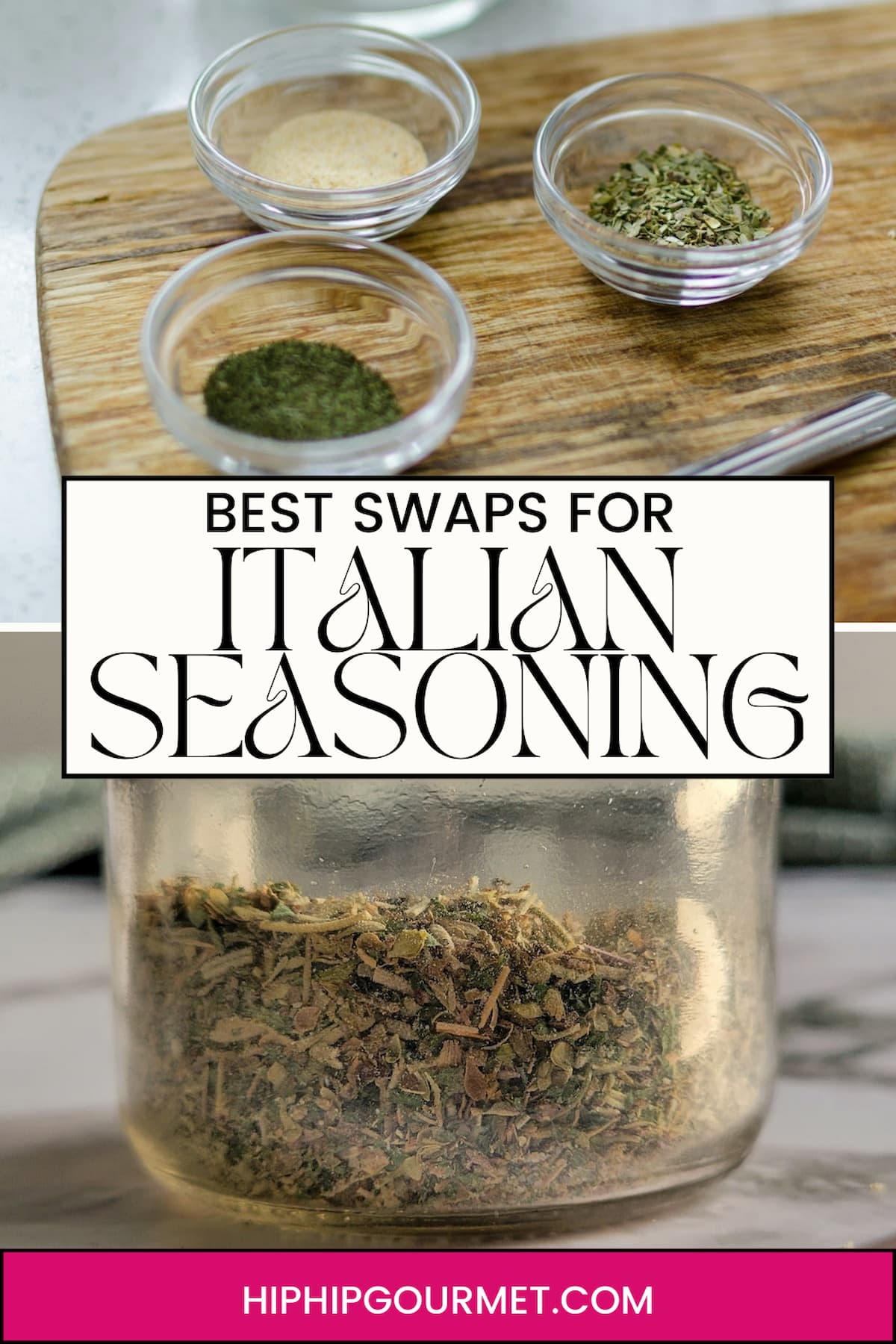
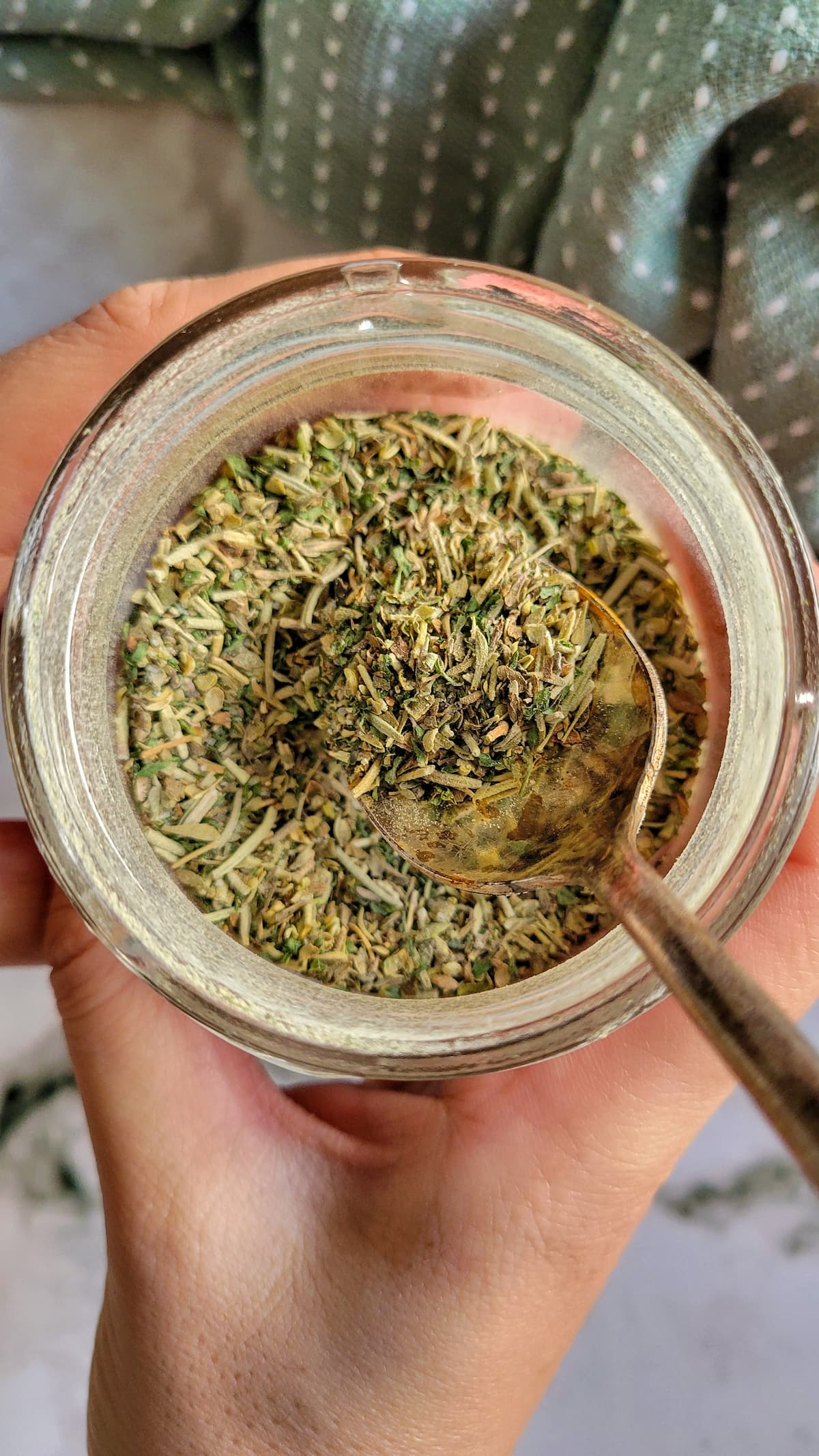
TOP SUBSTITUTES FOR ITALIAN SEASONING
1. DRIED BASIL AND OREGANO MIX

Why it works: These two herbs are the backbone of Italian seasoning, offering that classic sweet, peppery, and slightly minty flavour.
How to use it: Mix equal parts dried basil and oregano to replace Italian seasoning 1:1.
Best for: Pasta sauces, pizza, and tomato-based dishes where these flavours shine.
2. HERBS DE PROVENCE
Why it works: A fragrant blend that shares many herbs with Italian seasoning, like thyme, rosemary, and oregano, but with a subtle lavender note.
How to use it: Use a little less than called for (about ¾ the amount), as it has a stronger floral aroma.
Best for: Roasted vegetables, grilled meats, and dishes needing a Provencal twist.
3. ITALIAN HERB BLEND (STORE-BOUGHT)

Why it works: Some brands sell their own version of Italian seasoning or “Italian herbs” that are close matches.
How to use it: Substitute directly 1:1 for Italian seasoning.
Best for: Convenience and any recipe calling for Italian seasoning.
4. FRESH HERB MIX (BASIL, OREGANO, THYME)

Why it works: Fresh herbs bring vibrant flavour, though in a different intensity than dried blends.
How to use it: Use about 3 times the amount of fresh herbs to replace dried Italian seasoning, finely chopped.
Best for: Garnishes, salads, and dishes where fresh herb flavour shines.
5. GARLIC POWDER AND ITALIAN HERB BLEND

Why it works: Adding garlic powder to a basic herb mix mimics the garlicky depth found in many Italian seasoning blends.
How to use it: Add ½ teaspoon garlic powder per tablespoon of mixed dried herbs.
Best for: Meat marinades, pasta dishes, and sauces needing a savoury boost.
6. ITALIAN SEASONING DIY BLEND
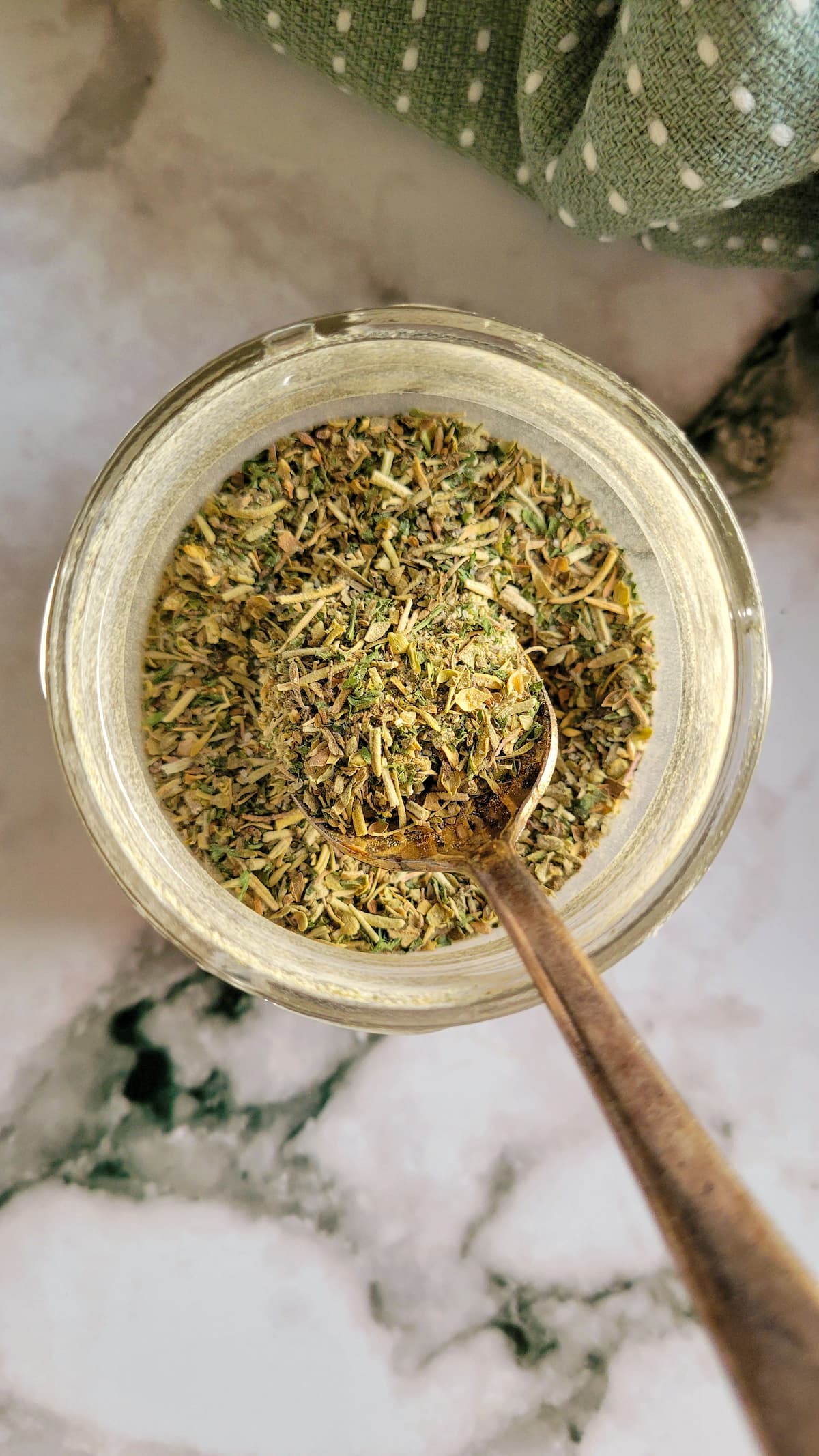
Why it works: Making your own blend lets you control herb ratios and freshness.
How to use it: Combine oregano, basil, thyme, rosemary, parsley, garlic powder, and onion powder in equal parts (or adjust to taste). For a detailed recipe, check out my homemade Italian seasoning blend that’s easy to make and super flavourful.
Best for: Anytime you want a fresh, customizable herb blend tailored to your cooking style.

FREQUENTLY ASKED QUESTIONS
Italian seasoning is a blend of dried herbs commonly including oregano, basil, thyme, and rosemary. Some blends also add marjoram, sage, parsley, or garlic powder, but the core herbs give it that classic Italian flavour profile.
Italian seasoning has a balanced, earthy flavour with hints of sweetness and a touch of piney freshness from herbs like rosemary and thyme. It’s aromatic and versatile, perfect for adding a classic Italian herb vibe to many dishes.
Yes, oregano is a key ingredient in Italian seasoning, so it works well as a substitute on its own. Just keep in mind that Italian seasoning blends several herbs, so your dish might be missing some of the complexity without the other herbs.
Parsley can add a fresh, mild flavour but it doesn’t have the same depth as Italian seasoning, which includes stronger herbs like oregano and thyme. It’s best used alongside other herbs rather than as a direct substitute.
No worries! In fact, you can use a mix of dried basil, oregano, and thyme as a quick replacement. Adding a little garlic powder or onion powder can help mimic the savoury depth Italian seasoning usually brings to meatloaf.
With the right knowledge of the best replacement for Italian seasoning, you’ll never have to worry about missing that signature flavour in your cooking. Whether you grab a store-bought blend, mix up your own, or use simple herbs from your pantry, there are plenty of ways to keep your dishes tasting delicious.
By understanding what Italian seasoning is made of and, as a result, how to swap it out, you can get creative in the kitchen and tailor flavours to your taste. So next time a recipe calls for Italian seasoning, you’ll be ready with plenty of easy and tasty alternatives.
LOVE THIS LIST? PIN IT FOR LATER!

Got a favourite replacement for Italian seasoning I missed? Drop it in the comments — I’d love to hear!
The links in this post are affiliate links. Thanks for supporting HipHipGourmet!