✨This post may contain affiliate links. As an Amazon Associate, I earn from qualifying purchases.
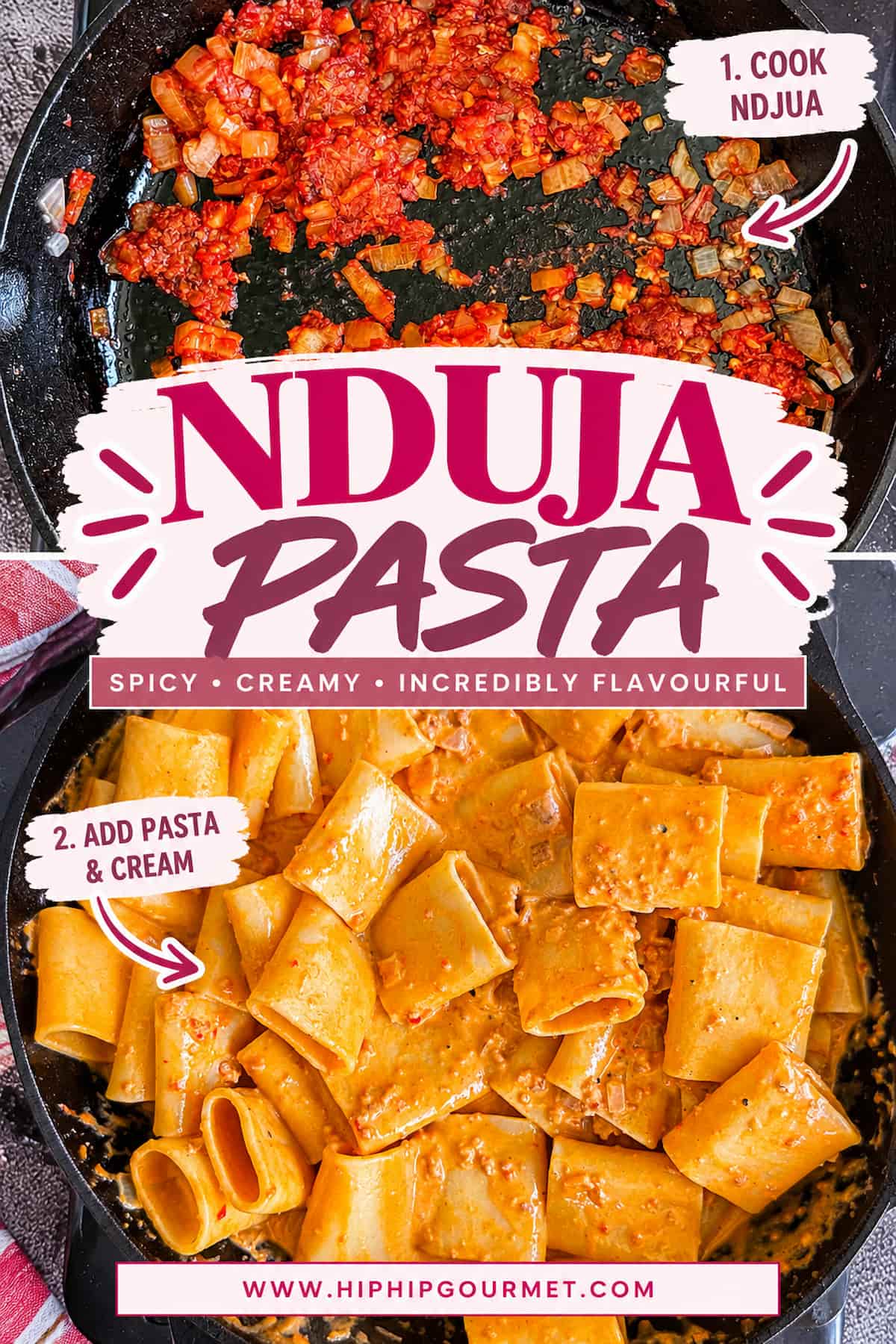
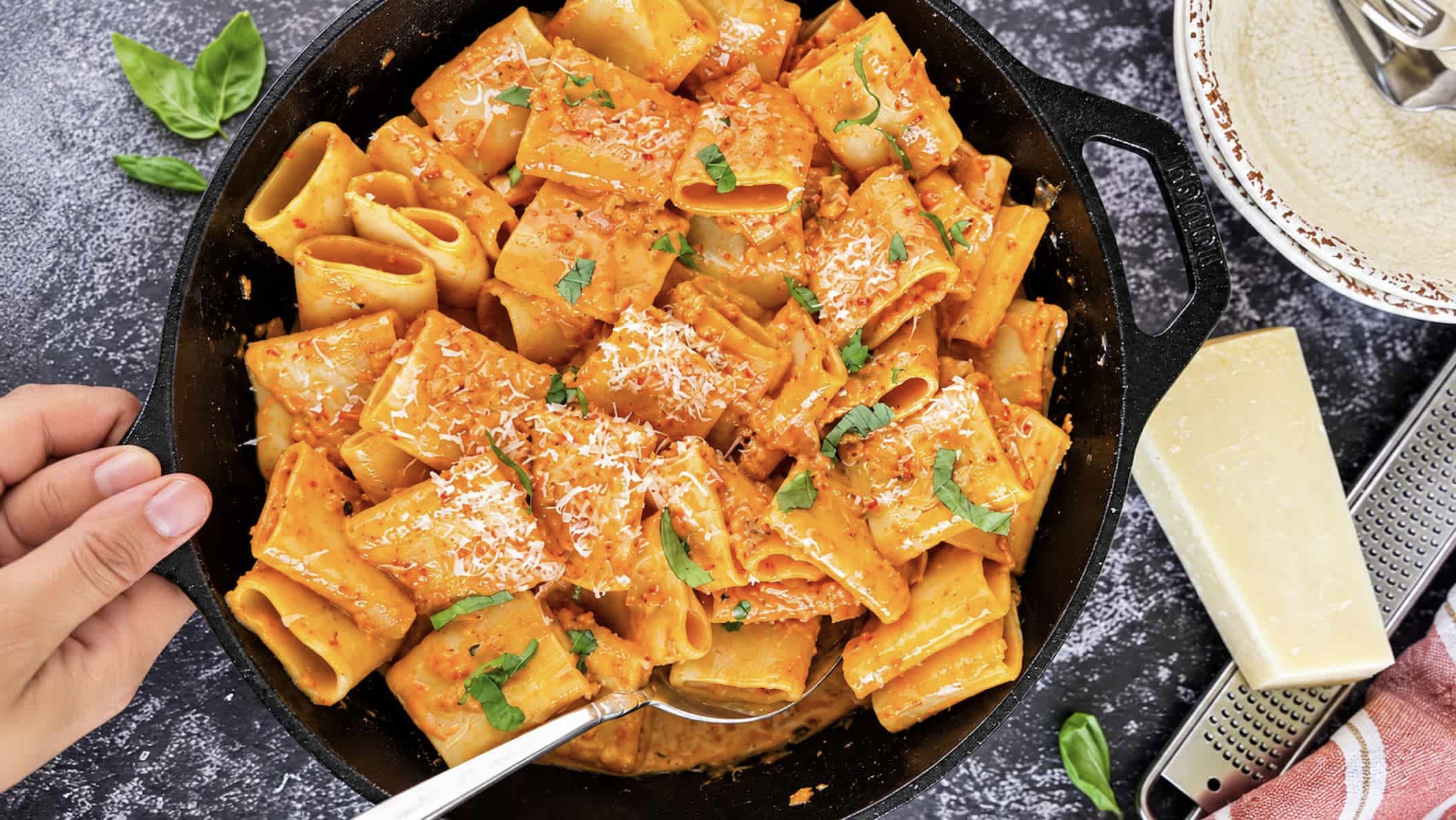
This nduja pasta is creamy, spicy, saucy in all the right ways, and ready in about 30 minutes. If you’ve got a tub of nduja hanging out in the fridge, consider this your sign to turn it into pasta.
There’s something about nduja melted into a creamy pasta sauce that just works. You get that deep, spicy, slightly smoky flavour in every bite, with tomato paste adding a little concentrated richness and Parmesan giving the sauce a salty, cheesy finish. It’s bold without being overcomplicated, which is exactly how I want a pasta like this to be.
And while it definitely feels worthy of a cozy Friday night dinner, there’s nothing fussy about making it. Grab some homemade garlic bread for the extra sauce or add a simple arugula salad on the side to lighten things up. And if creamy, sausage-y pasta is always a yes in your house, my creamy sausage and ricotta pasta should probably be next on the menu.
✳︎ Why You’ll Love This Creamy Nduja Pasta
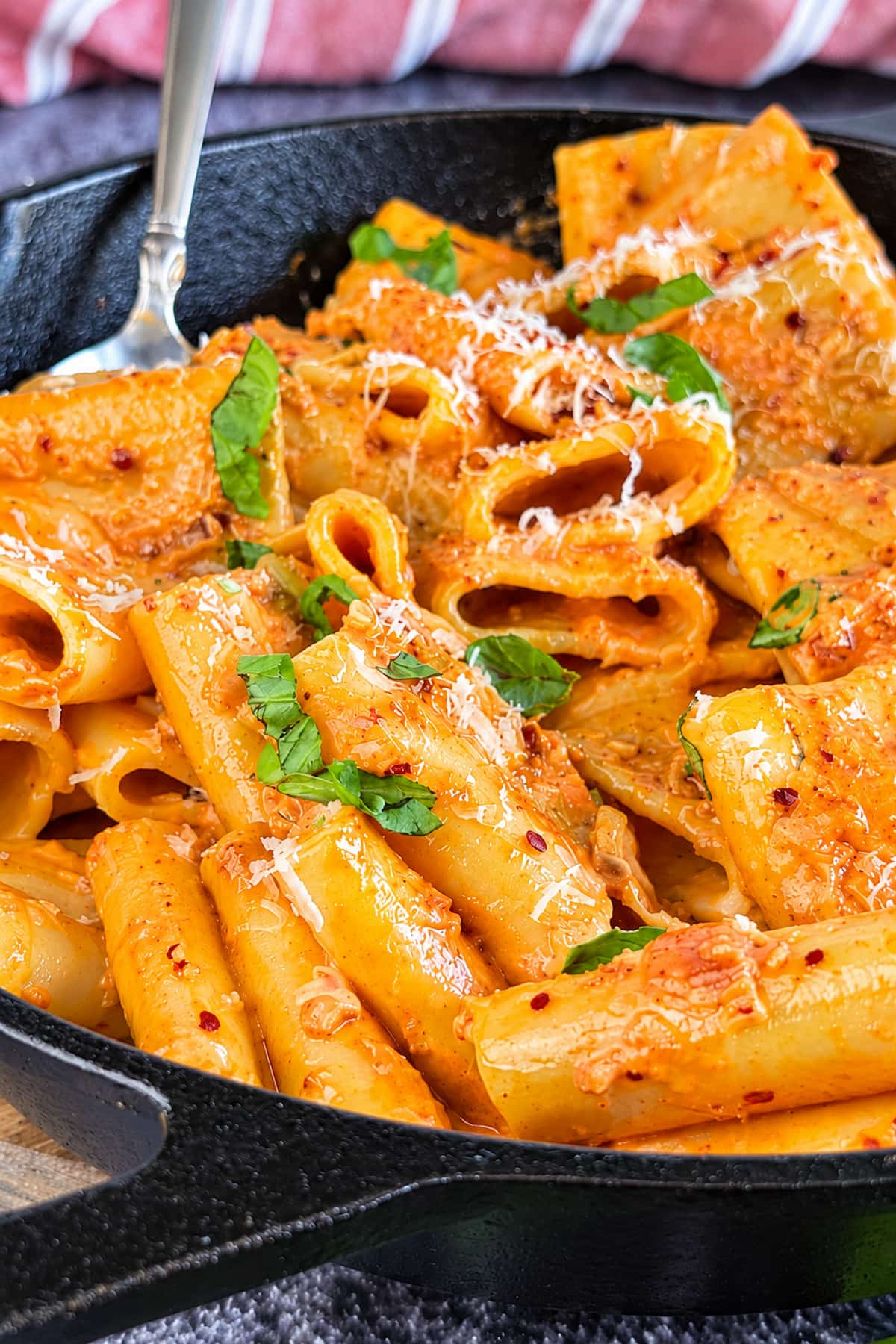
- The flavour is unmistakably nduja. Spicy, savoury, smoky and rich, with enough cream to balance the heat without dulling it.
- You only need about 30 minutes. A very reasonable amount of effort for a pasta that feels a little more exciting than the usual weeknight lineup.
- That creamy sauce is seriously silky. Parmesan and starchy pasta water keep it glossy and saucy rather than overly thick.
- There’s just enough tomato. Tomato paste adds concentrated richness without taking over and turning this into a tomato based sauce.
- The ingredient list stays focused. Nothing unnecessary competing with the nduja, just a handful of ingredients that actually belong there.
What Is Nduja?
Nduja is a spicy, spreadable pork sausage from Calabria in Southern Italy, which happens to be pretty close to my heart since both of my parents were born there. Unlike a firm salami or sausage, nduja has a soft, almost paste-like texture and a rich, savoury, distinctly porky flavour with plenty of heat from Calabrian chili peppers.
And that soft, spreadable texture is exactly what makes nduja SO good in pasta. Once it hits the warm pan, it melts right into the sauce, spreading that spicy, savoury flavour throughout instead of leaving you with separate chunks of sausage. The heat can vary quite a bit from brand to brand, but the cream in this recipe mellows it nicely without taking away what makes nduja taste like, well, nduja.
Key Ingredients
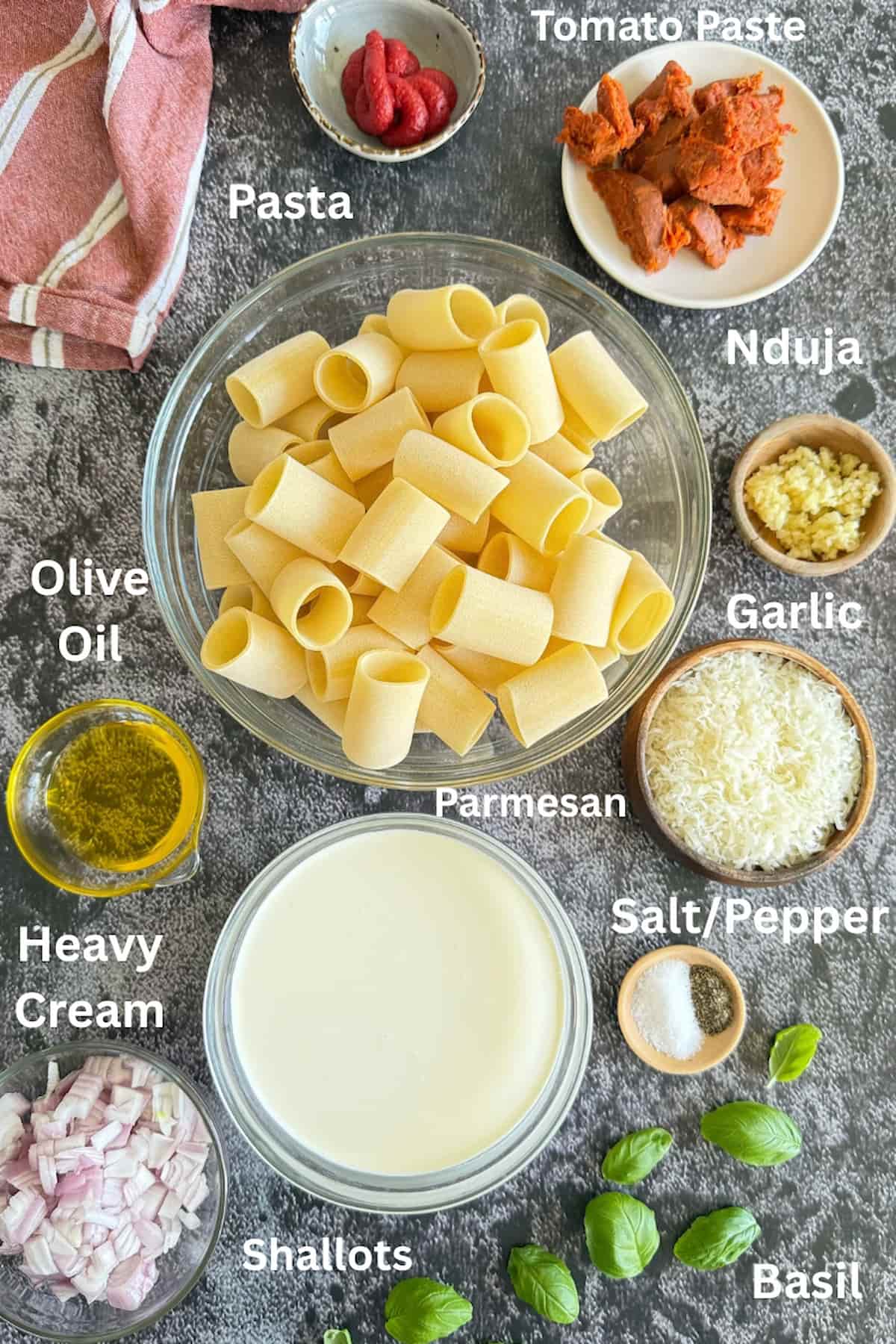
You only need a handful of ingredients for this creamy nduja pasta, so there’s really nowhere for the good stuff to hide. Here are the ones worth knowing a little more about before you get cooking:
Nduja
The star of the sauce and where all that spicy, savoury flavour comes from. I use 3 ounces (85 g), which gives the pasta a noticeable kick without completely setting your mouth on fire. That said, nduja can vary quite a bit in heat depending on the brand, so keep that in mind if you’re especially sensitive to spice.
Paccheri
Those big, wide tubes aren’t just here because they look good! Paccheri is sturdy enough to stand up to the rich, creamy sauce, and its hollow shape gives the sauce plenty of places to sneak into. If you can’t find it, another sturdy tube shaped pasta (such as rigatoni) will work in its place.
Heavy Cream
This gives the sauce its creamy base while mellowing some of the nduja’s heat. I like heavy cream here because it has enough richness to stand up to such a bold ingredient without making the sauce feel overly tomato forward.
Parmesan
Freshly grated is the way to go. It melts much more smoothly into the sauce than the pre-shredded stuff and adds plenty of salty, cheesy flavour. Since both Parmesan and nduja are already salty, wait until the end before deciding how much additional salt the pasta actually needs.
Tomato Paste
Just 2 tablespoons gives the sauce concentrated tomato flavour without turning it into a full on tomato sauce. It adds richness and a little sweetness while still letting the nduja stay front and centre.
Pasta Water
Don’t pour it all down the drain! That starchy water is especially important here because the Parmesan and pasta can thicken the sauce quickly. Adding it gradually helps loosen things up until the sauce is silky, glossy and actually coats the pasta instead of sitting there in one thick blob.
Find the full ingredient list and exact measurements in the recipe card below.
Helpful Tips Before You Start
A few little things make a big difference with this sauce. Nothing complicated, promise.
Adjust the Nduja to Your Heat Preference
Not all nduja brings the same level of heat. This recipe uses 3 ounces (85 g), but if you know you’re particularly sensitive to spice, you can start with slightly less. Just remember that the cream mellows things out quite a bit, so the finished sauce won’t taste quite as fiery as the nduja does straight from the package.
Don’t Forget the Pasta Water
Seriously, scoop some out before you drain that pot! The starchy pasta water is what helps loosen the sauce as needed and gives it that silky, glossy consistency. Add it gradually until the sauce coats the pasta nicely without feeling thick or stodgy.
Keep the Heat Gentle
Once the cream goes in, there’s no need to crank the heat. Keep things low and gentle, especially when adding the Parmesan. This helps the cheese melt smoothly into the sauce rather than becoming grainy and keeps the cream from separating. We want creamy and silky here, not bubbling away like crazy.
What To Serve With Nduja Pasta
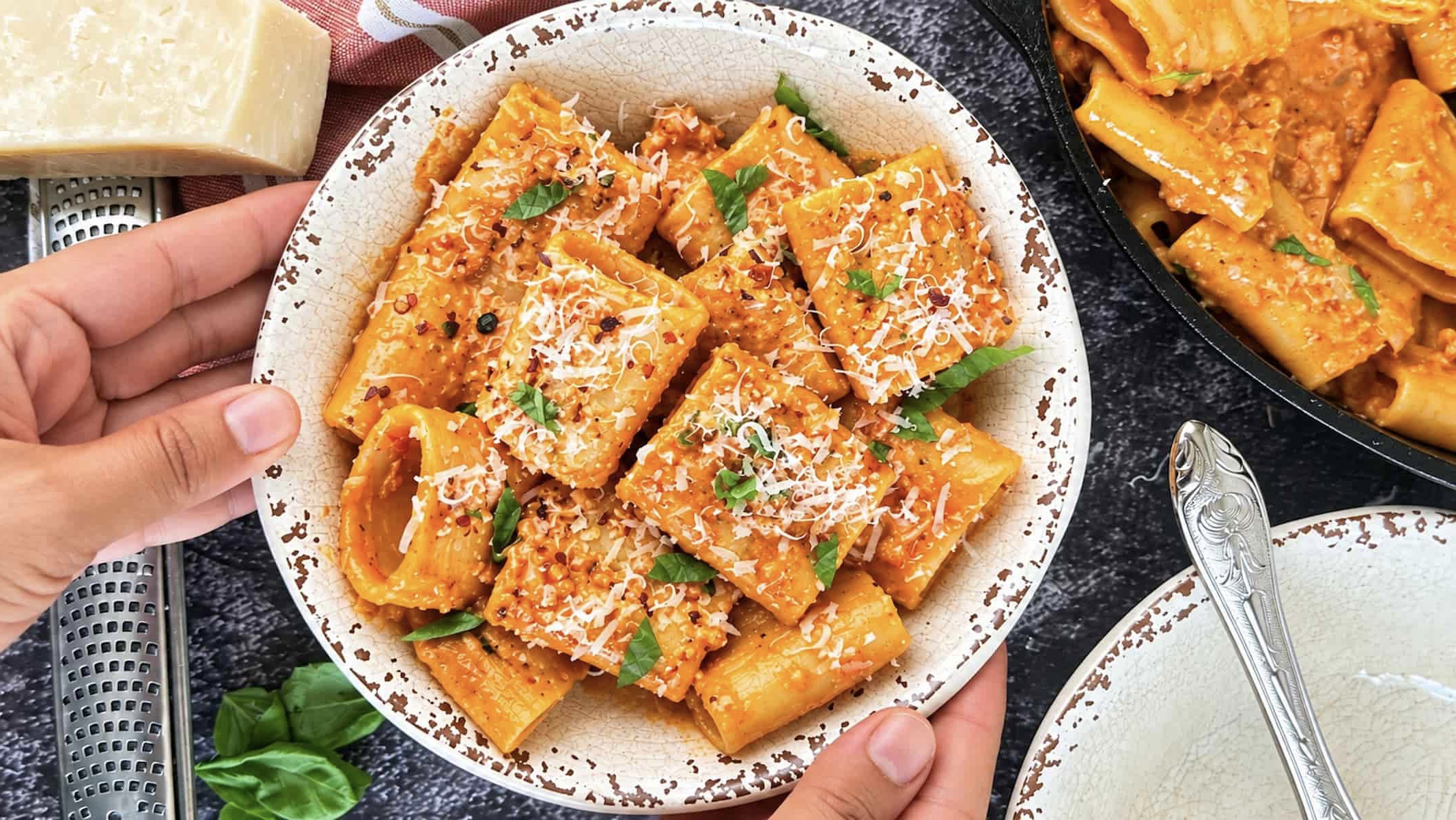
Nduja pasta is rich, creamy and has a good kick to it, so I like keeping whatever I serve alongside it fairly simple. Something fresh and crisp is always a good move, like this simple iceberg lettuce salad or a classic Caesar salad. The freshness helps balance out the richness of the sauce without competing with all that nduja flavour.
For veggies, air fryer broccolini or broccoli with Parmesan cheese would both fit right in. And because leaving even a little bit of this sauce behind would be a shame, some crusty bread or garlic crostini for scooping up the last bits is never a bad idea.

Storage and Reheating
Store leftover nduja pasta in an airtight container in the fridge for up to 3 days. The sauce will thicken as it sits, so don’t be surprised if it looks quite a bit thicker straight out of the fridge.
For the best texture, reheat it gently on the stovetop over low heat with a small splash of cream or milk to loosen the sauce. Stir often and add another splash if needed until it’s creamy again and warmed through. You can also use the microwave in a pinch, but I’d recommend heating it in short intervals and stirring between each one so the sauce heats evenly.
Frequently Asked Questions
more pasta night favourites
Still in the mood for pasta? These are a few more cozy, saucy favourites to put on your dinner list next.
- Fettuccine Alfredo with Mushrooms. Creamy, garlicky and extra cozy.
- Pasta Piselli e Prosciutto. Creamy Italian comfort with prosciutto.
- Shrimp Pasta with Garlic. Garlicky, saucy and weeknight friendly.
- Pasta al Pesto di Pistacchio. Rich, nutty Sicilian-style pasta.
- Sausage Stuffed Pasta Shells. Cheesy, saucy comfort food.
Quick Favour ⭐️ If you make this recipe, I’d love it if you left a quick rating + review. It’s the easiest way to support Hip Hip Gourmet, and I read every one.
Creamy Nduja Pasta
Video
Ingredients
- 12 ounces (340 g) paccheri pasta
- 1 tsbp extra virgin olive oil
- 1 medium shallot (finely diced)
- 4 cloves garlic (minced)
- 2 tbsp tomato paste
- 3 ounces (85 g) nduja (at room temperature)
- 1 cup heavy cream
- ½ cup freshly grated Parmesan cheese (plus more for serving)
- ¾ – 1 cup reserved pasta water
- salt (to taste)
- freshly cracked black pepper (to taste)
- fresh basil (thinly sliced, for serving)
Instructions
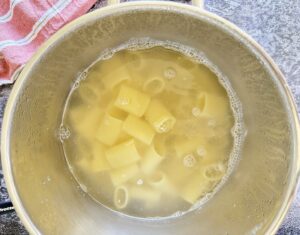
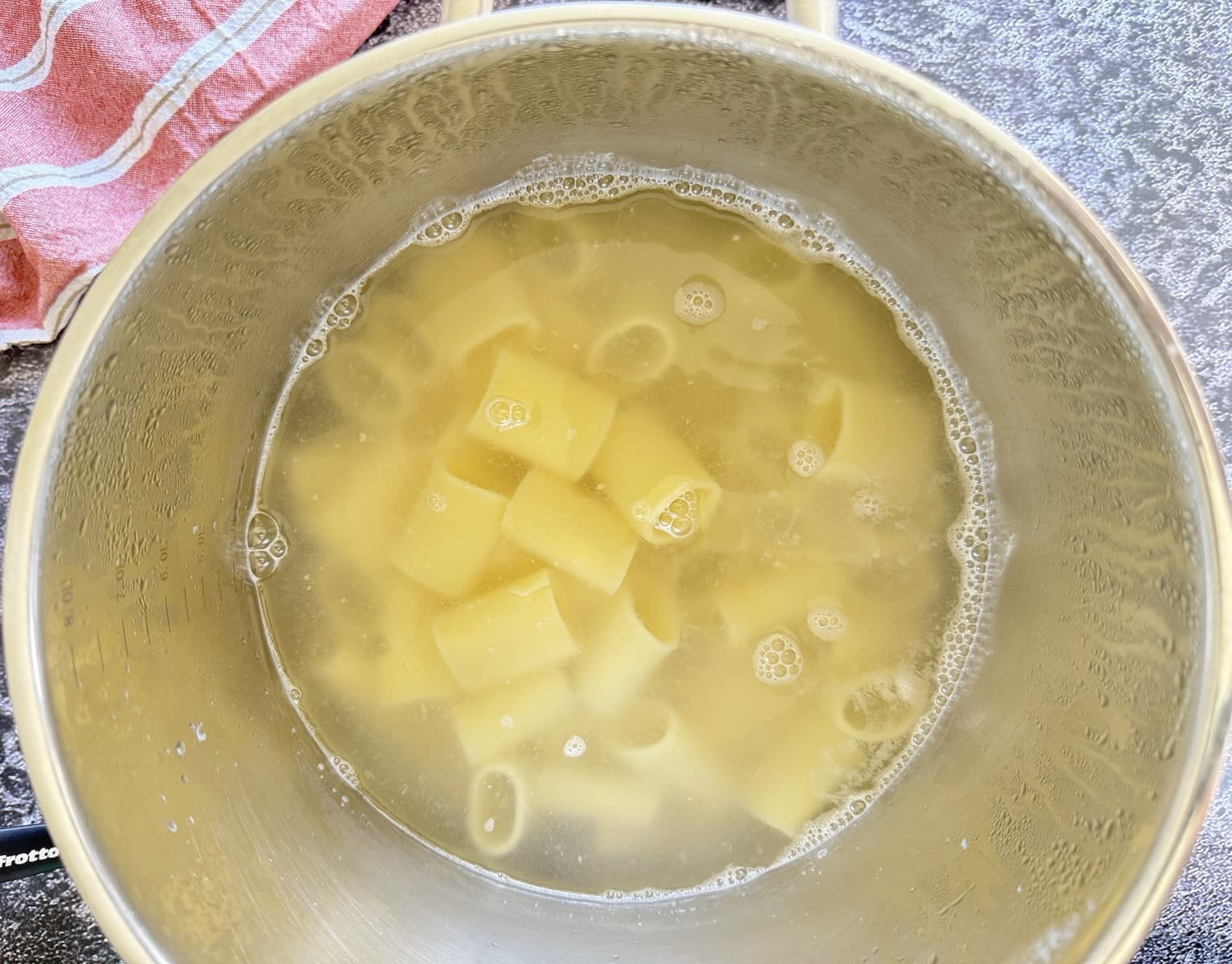
- Bring a large pot of generously salted water to a boil. Cook the pasta until just al dente according to the package directions. Before draining, reserve 1 cup of pasta water.
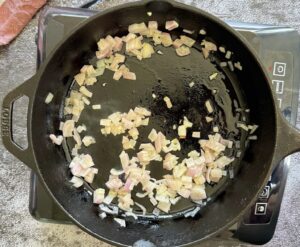
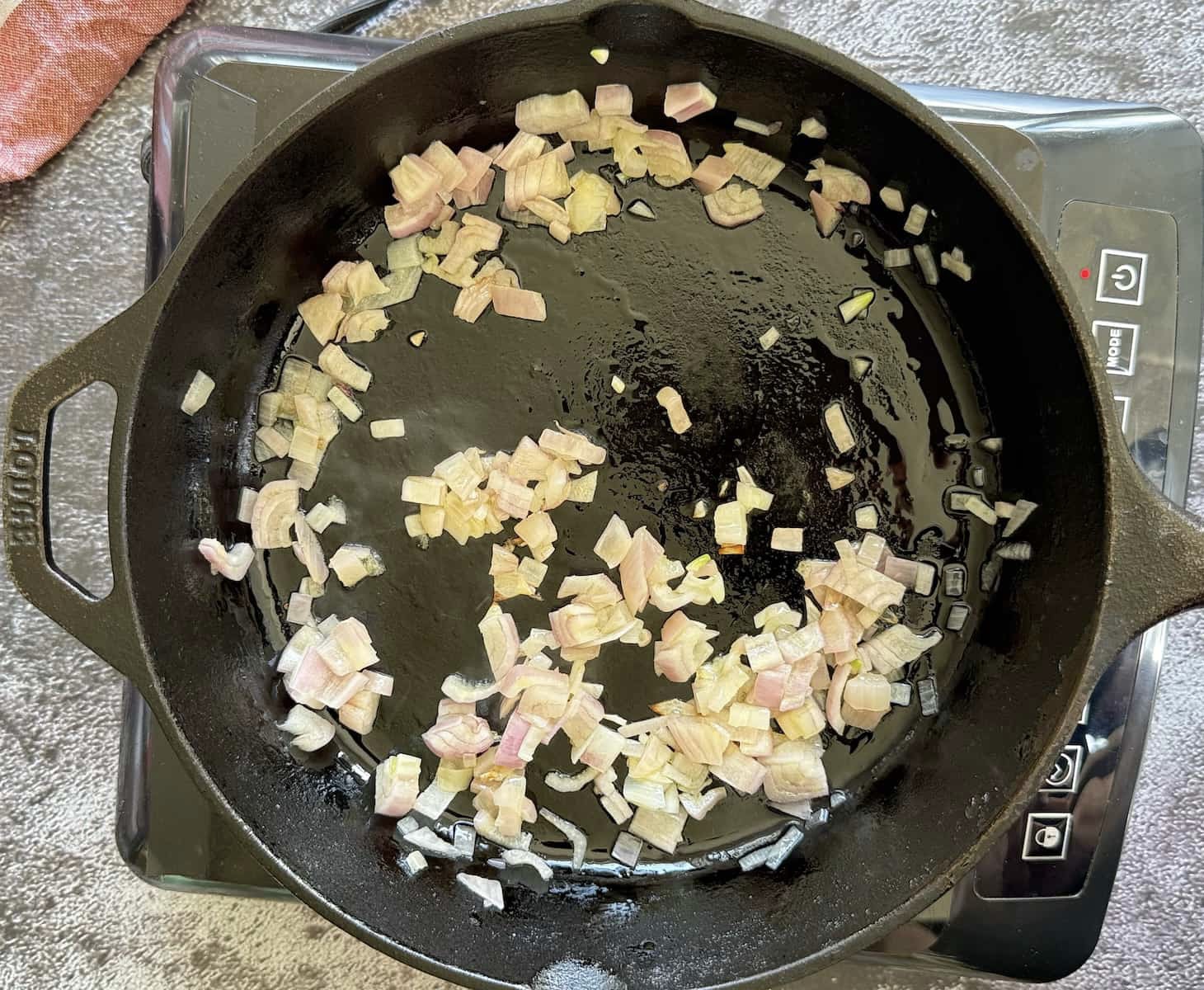
- Meanwhile, heat the olive oil in a large skillet over medium heat. Add the shallot and cook for 3 to 4 minutes, stirring occasionally, until softened.
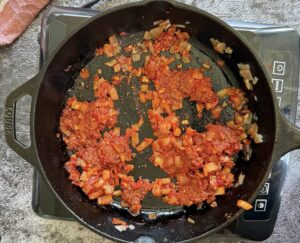
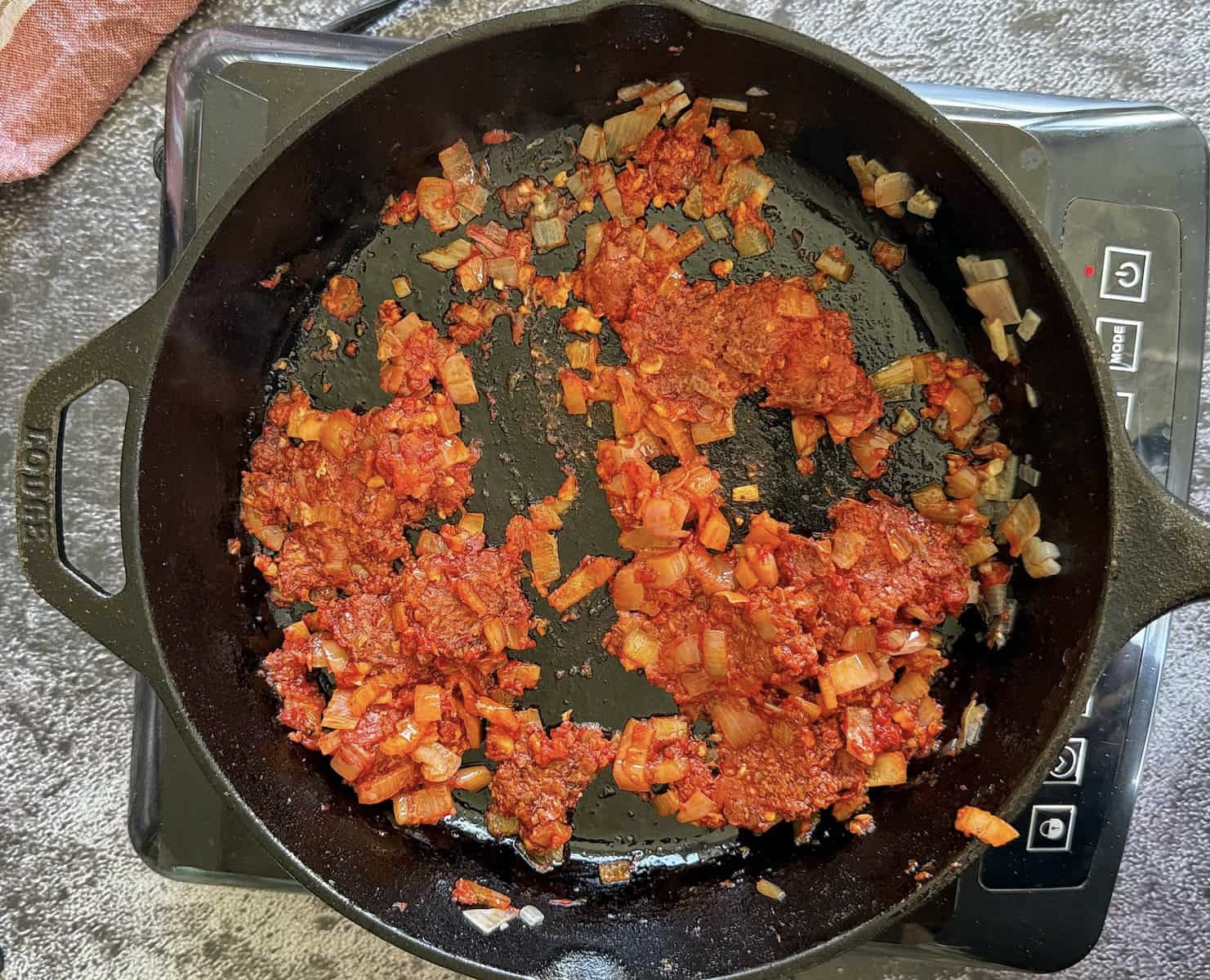
- Stir in the garlic and tomato paste and cook for about 1 minute, stirring constantly, until fragrant and the tomato paste has darkened slightly. Add the nduja and cook for 1 to 2 minutes, stirring until it has melted into the shallot mixture.
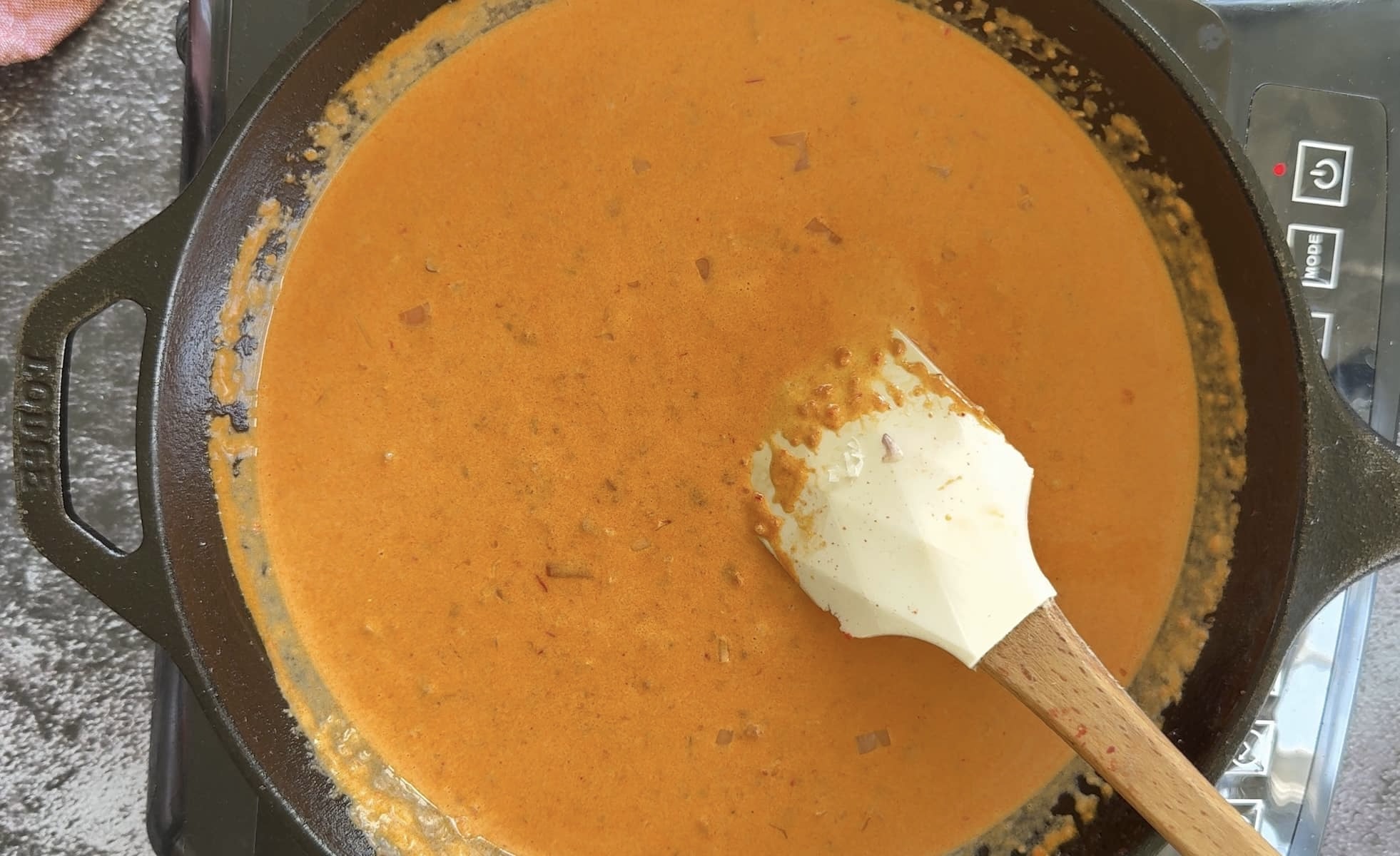
- Reduce the heat to low and pour in the heavy cream. Stir until smooth and fully combined. Add the Parmesan and stir until melted. Gradually stir in about ¾ cup of the reserved pasta water, adding more as needed, until the sauce is silky and coats the back of a spoon.
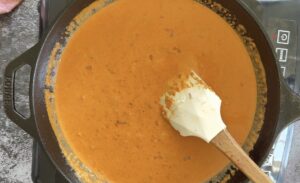
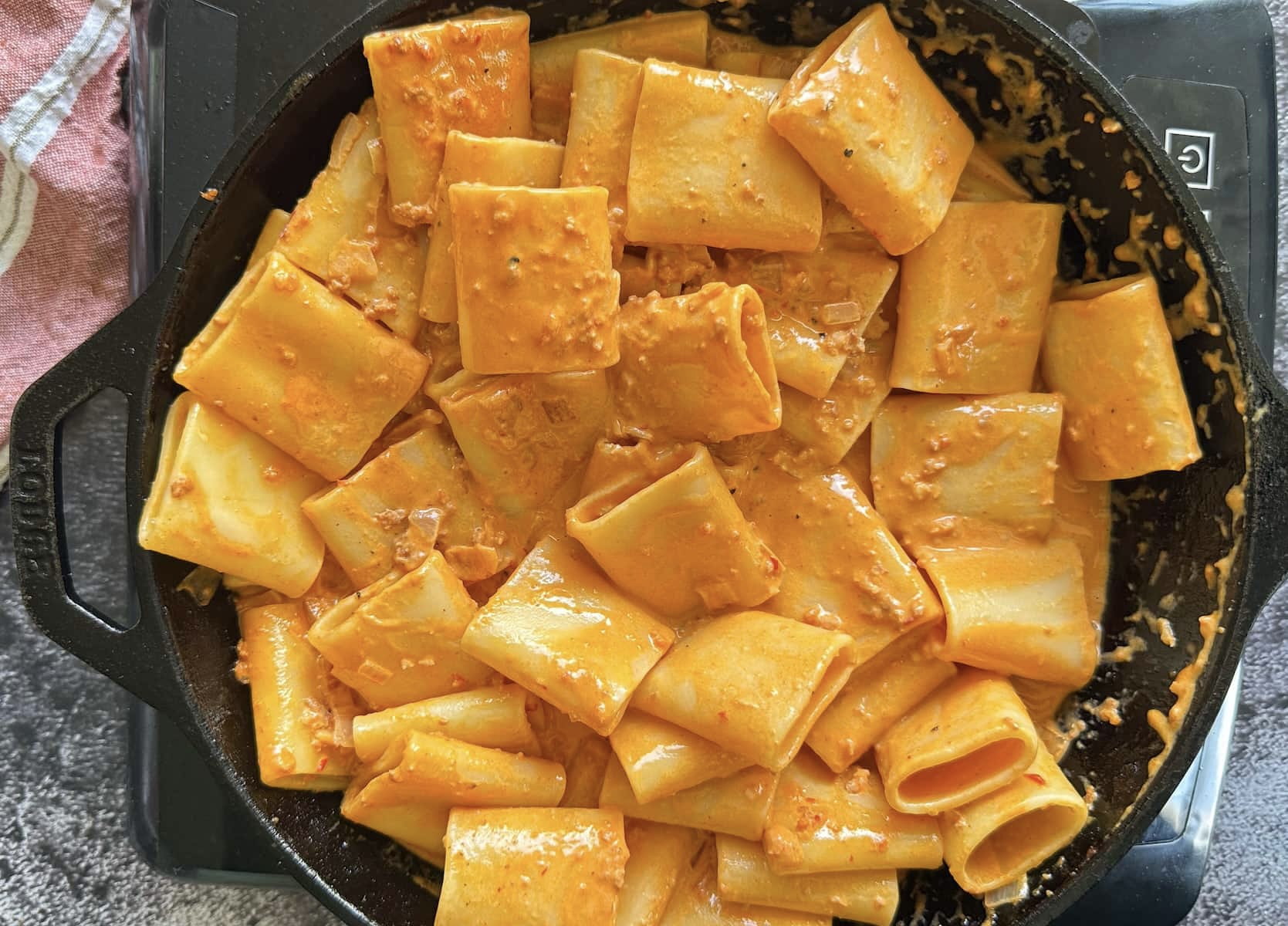
- Add the drained pasta to the skillet and gently toss until well coated. Cook for another minute, adding another splash of pasta water if needed to keep the sauce loose and glossy.
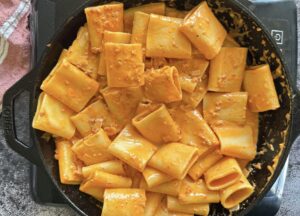
- Taste and season with salt and freshly cracked black pepper as needed. Serve immediately topped with additional Parmesan and fresh basil.
Notes
Nutrition
Don’t skip the good stuff —
scroll up above the recipe card for ingredient notes, tips & tricks, and easy swaps/variations.Made it? Tell me everything.
I LOVE seeing what you made! Tag @hiphipgourmet on Instagram (or use #hiphipgourmet) so I can see it — then rate it + upload your photo below. 💖
If this spicy Calabrian pasta makes it onto your dinner table, I wanna see it! Tag @HipHipGourmet so I can check out your creation.
Save this one for later?