
✨This post may contain affiliate links. As an Amazon Associate, I earn from qualifying purchases.
Rosehip tea is a beautifully fruity, slightly tart herbal tea that’s naturally caffeine-free and surprisingly easy to make at home. Whether you’re using fresh or dried rosehips, all you need is hot water and a little patience to brew yourself a gorgeous cup!
I’m not going to lie, before making this homemade rosehip tea, I’d never really seen, let alone cooked with, rosehips before. Sure, I probably walked past a bush or two growing up in Toronto, but I had absolutely no idea what those little red gems were. I probably assumed they were something only bears ate. Lol. Thankfully, my neighbour changed all that when he handed me a bag of freshly picked rosehips and told me his grandmother used to make tea with them. Well, you KNOW I had to give it a try!
After a little research and some time in the kitchen, I strained my freshly brewed tea and handed my neighbour a cup. One sip took him right back to childhood, when his grandmother used to make it for him. He actually got a little teary-eyed! Needless to say, I’ll never look at a rosehip bush the same way again. And now that I know how to make rosehip tea, it’s another caffeine-free option to enjoy alongside my golden milk latte and London fog recipes.
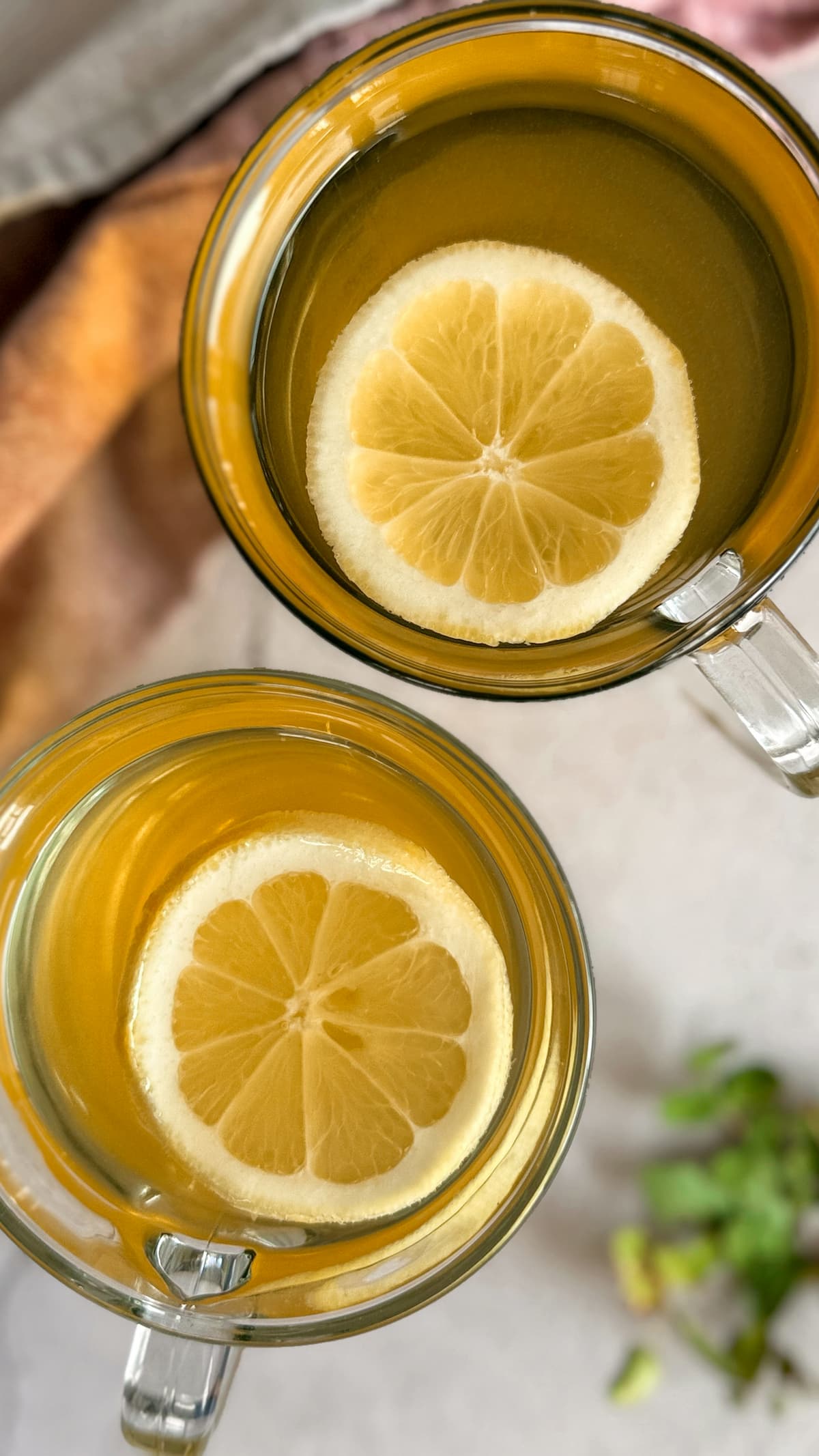
✳︎ Why You’ll Love This Rosehip Tea
- Fresh or dried, your choice! You don’t need freshly picked rosehips to make a great cup.
- Bright and fruity: Slightly tart with a lovely, delicate flavour.
- Naturally caffeine-free: Perfect for an afternoon or evening sip.
- Just a few ingredients: Rosehips, water, and a little sweetener if you like.
- Enjoy it hot or iced: Cozy in the colder months and refreshing over ice.
Ingredients to Make Rosehip Tea

You only need a couple of ingredients to make homemade rosehip tea, and you can use either fresh or dried rosehips depending on what you have available. Here’s what you’ll need:
- Rosehips: These little red fruits give the tea its beautiful colour and naturally tart, fruity flavour. Fresh rosehips are great if you have access to them, but dried rosehips work just as well and are much easier to find year-round. Make sure any fresh rosehips are properly identified and haven’t been sprayed with pesticides.
- Water: Nothing fancy here! Fresh, clean water is all you need to draw out the flavour of the rosehips.
- Honey, Sugar, or Sweetener (Optional): Rosehip tea has a naturally tangy flavour, so a little sweetness can help balance it out. Honey, maple syrup, or regular sugar all work. Give it a taste first, though. You might love it just as it is!
- Lemon Slices (Optional): A slice of fresh lemon adds an extra pop of citrus flavour and looks pretty floating in your mug, too.
Find the full ingredient list and exact measurements in the recipe card below.
How to Make Rosehip Tea (Tips & Tricks)
Making rosehip tea from scratch is pretty straightforward, whether you’re using fresh or dried rosehips! You’ll find the full instructions for both methods in the recipe card below, but here are a few helpful tips to get the most flavour out of every cup.
- Prep fresh rosehips properly: Give them a thorough rinse, trim off the stems and blossom ends, and discard any that are mouldy or damaged. If you’re foraging your own, make sure you’ve correctly identified the plant before using it.
- Break them up for more flavour: Coarsely chopping or pulsing fresh rosehips helps release their fruity flavour into the water. No need to turn them into a puree!
- Don’t rush the steeping: Give the rosehips at least 20 minutes to infuse. Dried rosehips may need closer to 30 minutes, depending on their size and how strong you like your tea.
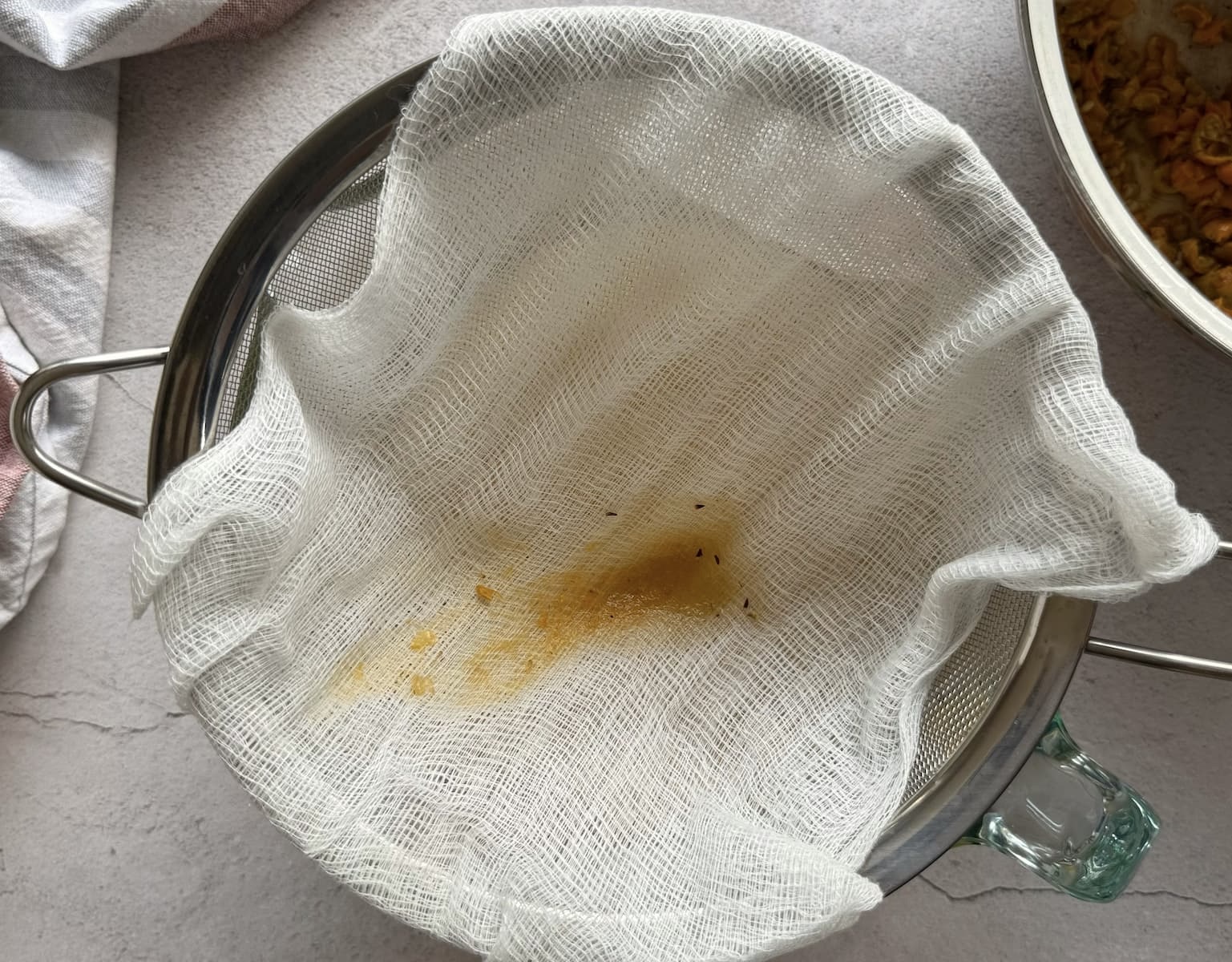
- Strain really well: Rosehips contain tiny, irritating hairs around their seeds. Use a coffee filter or several layers of tightly woven cheesecloth to catch the fine particles before drinking.
- Keep the water hot, not boiling: Bring the water to a boil first, then turn off the heat once you’ve added the rosehips. A covered steep helps draw out their flavour without prolonged boiling.
- Taste before sweetening: Rosehips have a naturally tangy flavour that can vary from batch to batch. Try a sip before adding honey, sugar, or lemon so you don’t overpower it.
- Give it more time for a stronger brew: Prefer a bolder flavour? Let the tea steep longer rather than immediately adding more rosehips. For an overnight infusion, transfer it to the fridge once it’s cooled.

Rosehip Foraging Tips
Thinking about picking your own rosehips? They’re typically ready to harvest in autumn, once they’ve turned a beautiful red or orange colour. Here are a few things to keep in mind before heading out!
- Know what you’re picking: Only harvest rosehips from rose bushes you can confidently identify. When in doubt, leave them alone.
- Look for ripe rosehips: Choose firm, brightly coloured fruits without mould, damage, or signs of rotting. They should have a little give without feeling mushy.
- A little frost can help: Rosehips often become softer and sweeter after the first light frost, but you don’t have to wait for freezing temperatures to harvest them.
- Choose a clean picking spot: Avoid roadsides, areas that may have been sprayed with pesticides, and ornamental rose bushes treated with garden chemicals.
- Leave some for the wildlife: Birds and other animals rely on rosehips for food, especially during the colder months. Take what you need and leave plenty behind!

Rosehip Tea Benefits
Rosehips naturally contain vitamin C and plant antioxidants, although the amount that ends up in your cup can vary depending on whether you’re using fresh or dried rosehips and how you prepare them.
One thing I especially love about rosehip herbal tea is that it’s naturally caffeine-free. You can enjoy a warm mug in the evening without worrying about a caffeine kick, or serve it chilled when you’re craving something fruity and refreshing.
And while rosehip tea is often associated with various health benefits, I think its bright, tangy flavour and beautiful colour are reason enough to make yourself a cup!

Frequently Asked Questions
more cozy drinks to sip on
Loved this homemade rosehip tea? Here are a few more tasty drinks to enjoy, whether you’re craving something warm and comforting or a little refreshing!
- Irish Coffee with Baileys. A cozy sip with a boozy twist.
- Homemade White Hot Chocolate. Sweet, creamy comfort in a mug.
- Pumpkin Spice Espresso Martini. A boozy little taste of fall.
- Classic Homemade Eggnog. Rich, creamy, and full of holiday flavour.
Made this recipe? ⭐️ If you tried it, leave a star rating in the recipe card! It helps other home cooks know it’s worth making (and makes my day, too!).
Rosehip Tea (Fresh or Dried Rosehips)
Video
Ingredients
For Fresh Rosehip Tea
- 5 tbsp fresh rosehips (washed, stems and blossom ends trimmed)
- 5 cups water
- honey, sugar, or sweetener (to taste, optional)
- lemon slices (for serving, optional)
For Dried Rosehip Tea
- 3 tbsp dried rosehips
- 3 cups water
- honey, sugar, or sweetener (to taste, optional)
- lemon slices (for serving, optional)
Instructions
Fresh Rosehip Tea
- Rinse the rosehips thoroughly and trim off the stems and blossom ends.

- Pulse in a blender until coarsely chopped, not pureed.

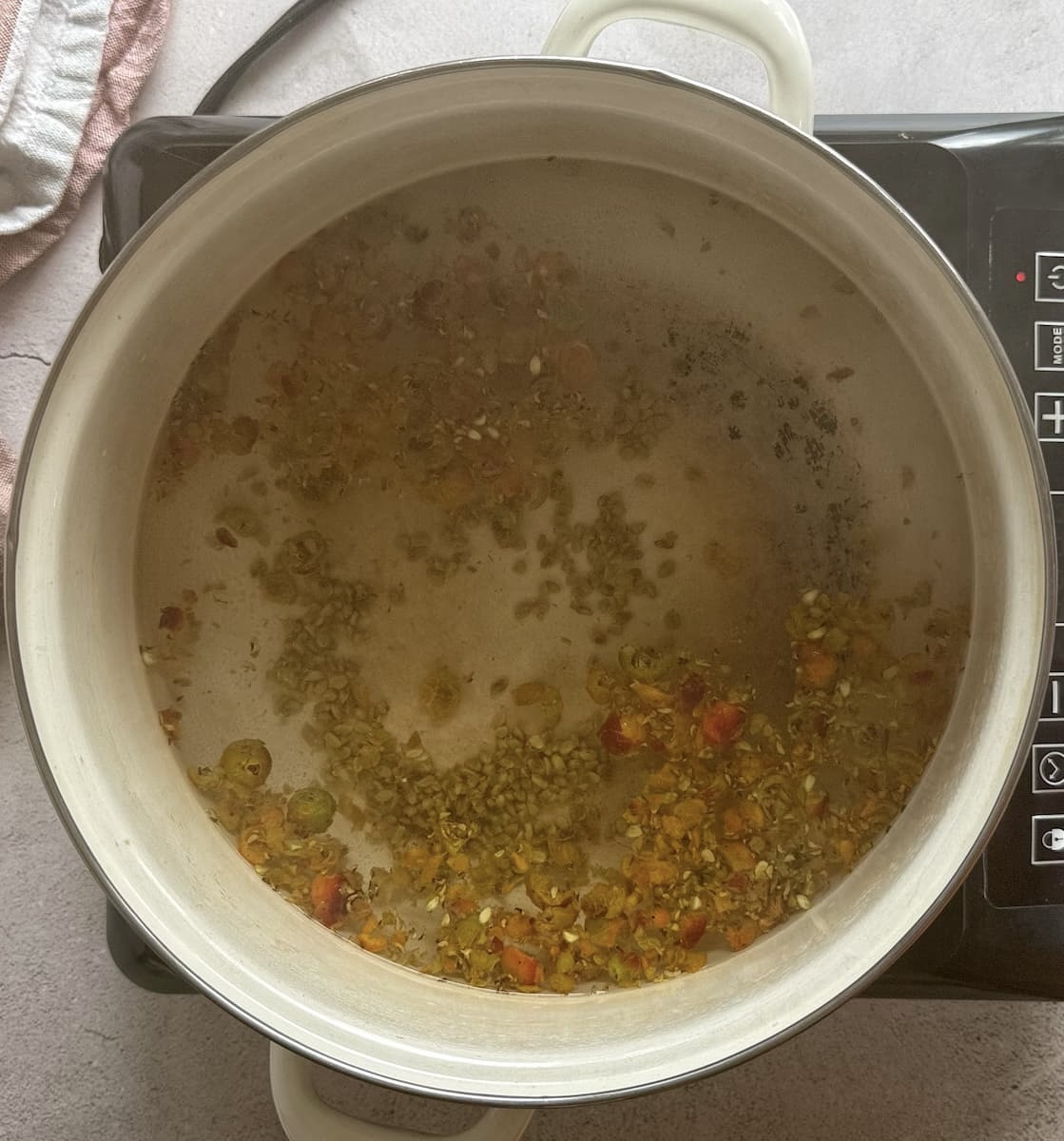
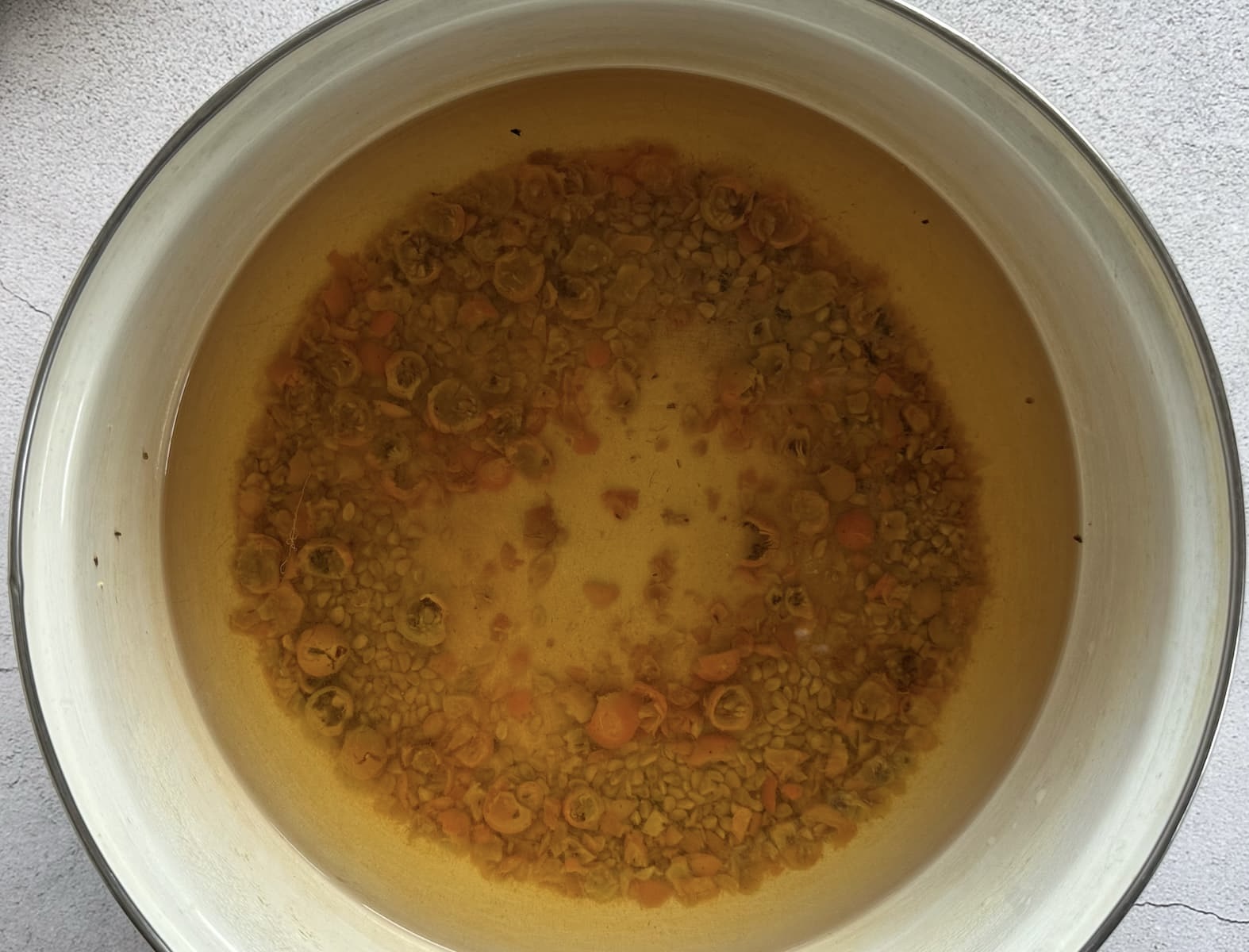
- Bring 5 cups of water to a boil in a saucepan. Add the chopped rosehips, turn off the heat, and cover.

- Let steep for at least 20 minutes. For a stronger brew, allow the tea to cool, then refrigerate overnight.

- Pour the tea through a coffee filter or tightly woven cheesecloth to remove the seeds and tiny, irritating hairs.

- Enjoy warm or chilled over ice, with sweetener or lemon slices if desired.



Dried Rosehip Tea
- Give the dried rosehips a quick rinse to remove any dust.
- Let steep for 20–30 minutes, depending on how strong you like your tea.
- Pour through a coffee filter or tightly woven cheesecloth to remove any fine particles or irritating hairs.
- Enjoy hot or cold, adding sweetener or lemon slices to taste.
Notes
Nutrition
Don’t skip the good stuff —
scroll up above the recipe card for ingredient notes, tips & tricks, and easy swaps/variations.Made it? Tell me everything.
I LOVE seeing what you made! Tag @hiphipgourmet on Instagram (or use #hiphipgourmet) so I can see it — then rate it + upload your photo below. 💖
If you give this homemade rosehip herbal tea a try, I’d love to hear what you think! Snap a pic and tag @HipHipGourmet on social media so I can see your beautiful brews!
Save this one for later?
